


[ 01
> Detection
monitors physiological signals
detecting significant reactions
in real time.
[ M 2.0 ]
Input: >Physiological Activity
Emotional Response
Processing: >Signal Interpretation
Memory Structuring
Output: >Stored Experience
Sensory Reactivation
Status: >Always Listening
YOUR BODY REACTS BEFORE YOU UNDERSTAND.
NOT EVERYTHING YOU FEEL BECOMES A MEMORY. M.2
REVEALS THE MOMENTS YOUR BODY REACTS TO THE
ONES THAT USUALLY PASS UNNOTICED.

Designed to remain present
without interrupting the moment.
m.2 continuously senses
physiological activity, capturing significant reactions as they happen.
monitors physiological signals
detecting significant reactions
in real time.
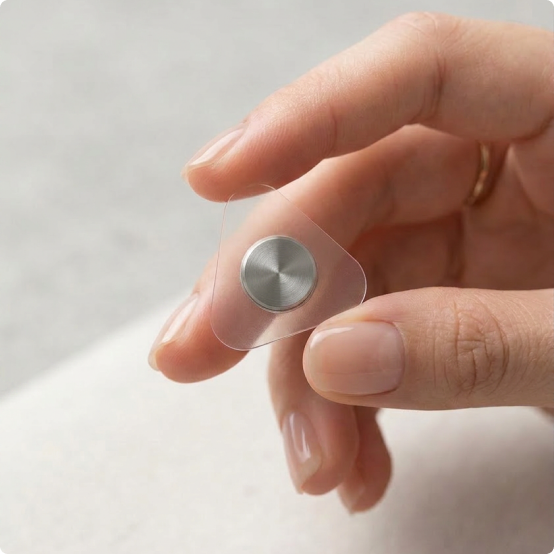
Detected signals are
translated into structured
data, capturing each response’s
intensity and nature.

Each detected event is stored
as a distinct memory unit,
preserving its physiological
imprint for future access.
m.2 operates by continuously sensing your body,
identifying meaningful changes as they occur. These
signals are translated into structured data and
preserved as distinct memory units creating a system
that captures what you felt, as it happened.
SYSTEM INDEX
[m.2_os]
m.2_os organizes, interprets, and preserves physiological memory data.
Designed to transform fleeting experiences into structured, accessible memory.

Real-time detection
Physiological data mapping
Emotional spikes


